

The Thinking Behind the Device
One of the conversations I have over and over again in my practice starts with a patient who comes in with a musculoskeletal pathology that, at first glance, seems pretty straightforward. Plantar fasciopathy. Achilles pain. Metatarsalgia. Recurrent injuries. Maybe just a foot that hurts every time they try to walk, run, or exercise. But I don't want to simply know what hurts.
I want to know why it hurts.
That distinction has shaped the way I have practiced for years. Maybe the patient lacks mobility at a particular joint. Maybe they don't control their midfoot well during gait. Maybe there is weakness through the foot and arch. Maybe their movement strategy is creating stress somewhere else in the kinetic chain. Usually, it isn't one thing. So I tell the patient, "We need a strategy." We know the what. Now let's figure out the why. And once we understand the why, we can begin putting together a plan to change it.
That plan may include mobility work. It may include strengthening. It may include changing footwear, modifying training, improving movement patterns, or addressing something proximal to the foot. And sometimes, while we're working on those things, I tell them that I want to use a functional foot orthotic as part of that strategy.
That's when I hear it: "I've had orthotics before. They don't work." My response is usually pretty simple. "Okay. But have you ever had my orthotics?" Usually they laugh and say, "No, but an orthotic is an orthotic." And that's when the Italian guy in me comes out.
I tell them: "You can get meatballs at the Olive Garden. And you can get the meatballs my mother made. They're both meatballs. Trust me — they're not the same thing."
Neither are orthotics.
The Orthotic Isn't the Treatment
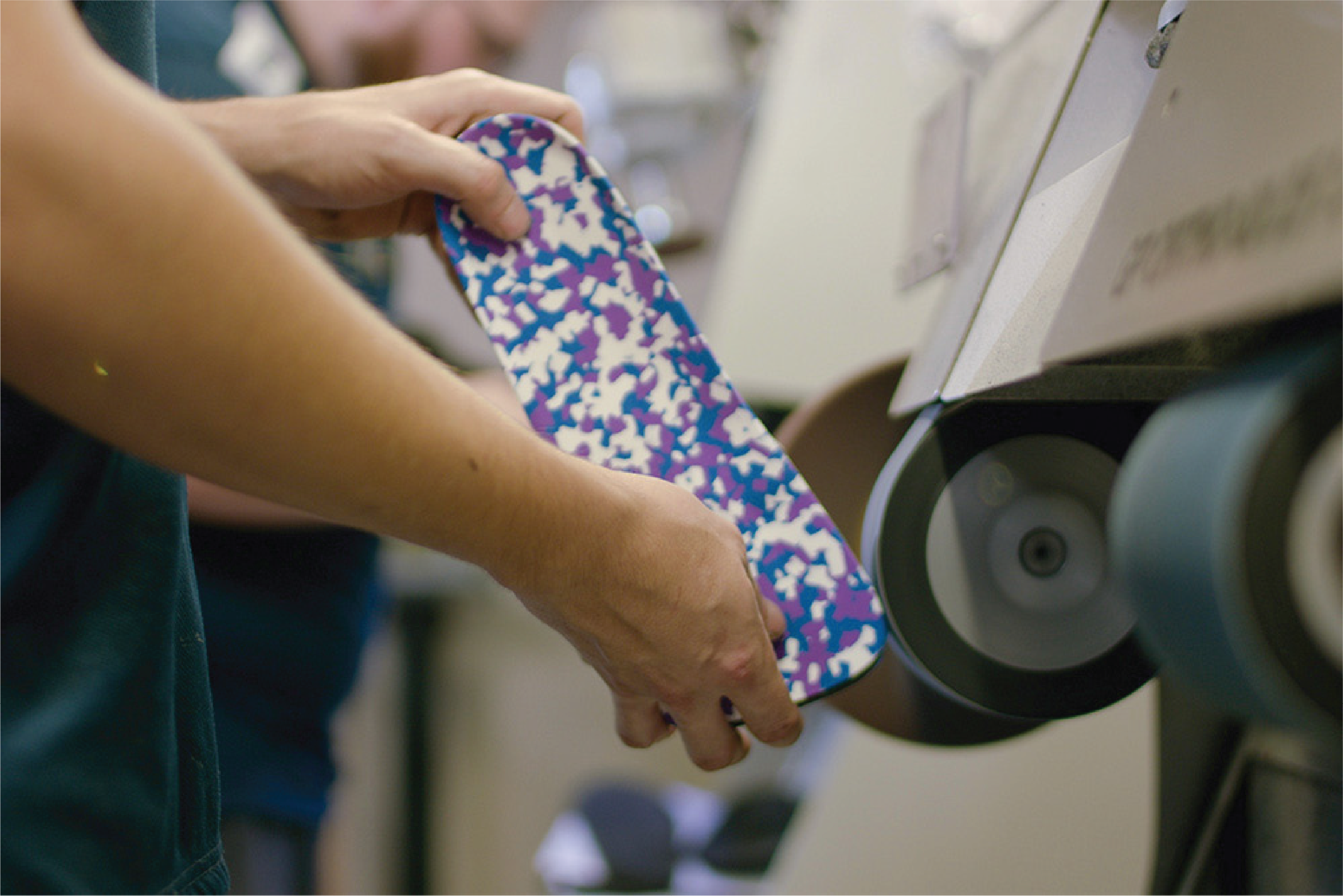
An orthotic device is not simply a piece of plastic that gets placed underneath someone's foot. At least it shouldn't be. The value of an orthotic comes from the clinical thought that went into creating it.
- What am I trying to accomplish?
- What motion am I trying to influence?
- What am I trying to control — and what do I not want to control?
- Where does this patient need mobility?
- Where do they need stability?
- What pathology am I trying to unload?
- What does this person's gait look like?
- What shoes do they wear?
- What sport do they play?
- What do they do eight, ten, or twelve hours a day?
Most importantly: What does this particular patient need from this particular device?
The answers should influence the prescription. That's why two devices that may look similar sitting on a table can function very differently when they are underneath two different patients. The practitioner's experience, philosophy, creativity, and understanding of biomechanics are all built into that device.
We wouldn't perform the same surgery on everyone. We wouldn't look at every patient with foot pain and say, "Here's the operation I do." We assess the pathology. We study the anatomy. We understand the patient's goals. We anticipate potential complications. We plan.
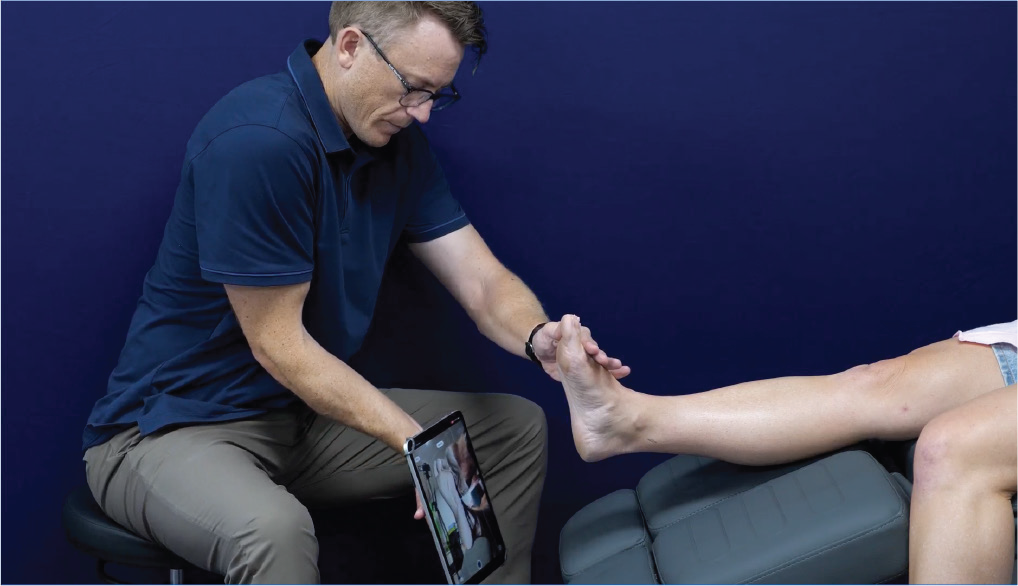
Why should an orthotic prescription be any different? A custom functional orthotic should be prescribed, not simply ordered. It should have a purpose. And that purpose should fit into a larger treatment strategy.
For some patients, the orthotic may be a bridge. It may give us control or reduce tissue stress while we improve mobility, build strength, and change how that person moves. For another patient, because of their structure, pathology, occupation, or activity, an orthotic may remain an important part of their life for years.
Neither approach is right or wrong.
The question is simply: What are we trying to accomplish?
Make It Yours
I think this is where orthotic therapy becomes exciting. Every clinician develops a philosophy. We accumulate experiences. We see what succeeds and what fails. We learn from our patients. We modify prescriptions. We challenge things we were taught. We begin to recognize patterns.
Eventually, if we're paying attention, our prescriptions become an expression of the way we think. That's what I want young clinicians — and experienced clinicians — to remember.
Don't just make orthotics.
Make your orthotics.
Put your thought into them. Put your clinical experience into them. Make them pathology-specific. Patient-specific.
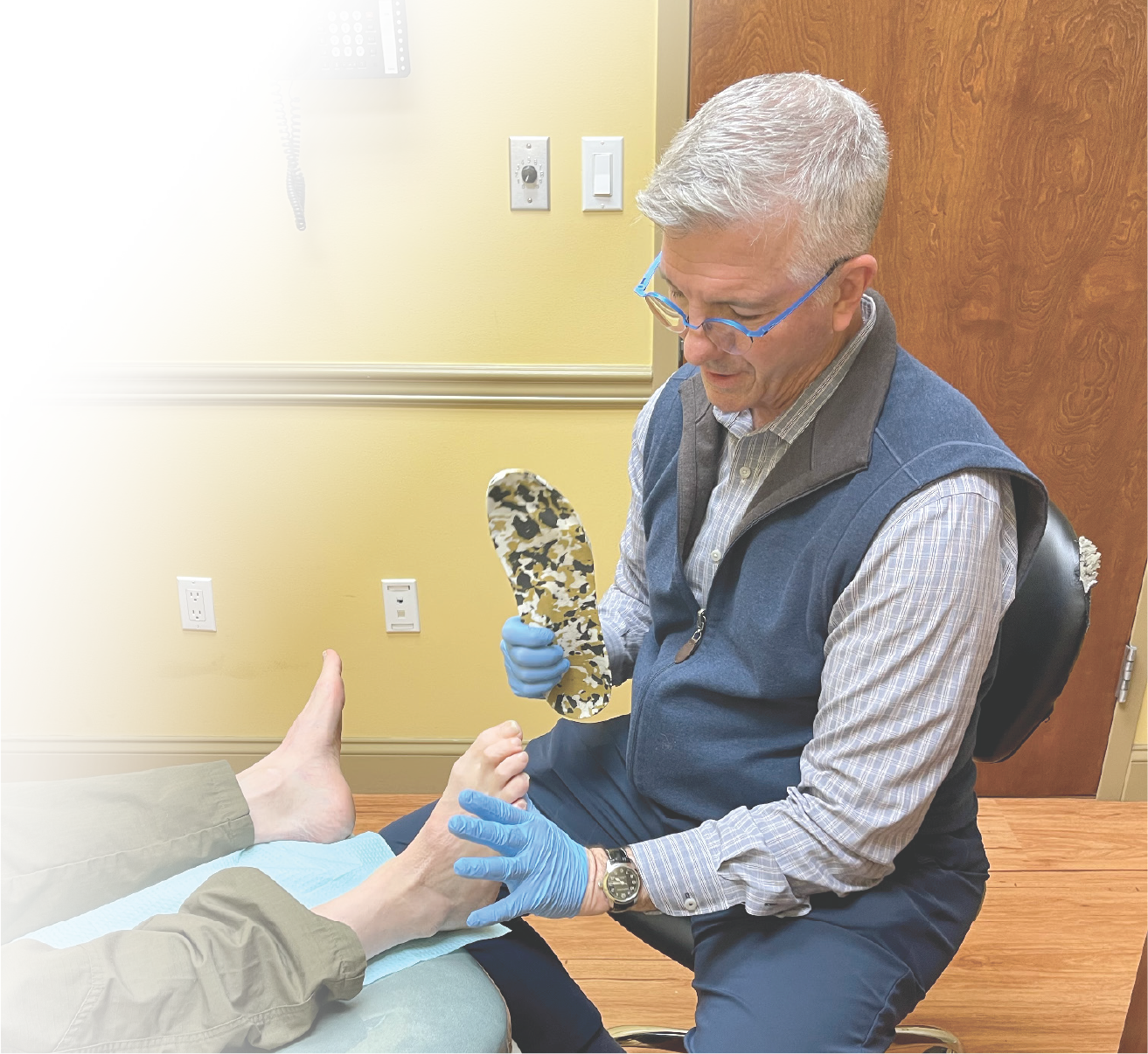
Question why you're adding something to a prescription. Question why you're leaving something off. And then explain that thinking to your patient. Let them understand that you didn't simply scan their foot and send a file to a laboratory.
You developed a strategy. Because when a patient tells me, "Orthotics don't work," I don't see that as an objection. I see it as an opportunity. An opportunity to ask what they had before. An opportunity to understand why it may not have worked. And an opportunity to show them that this time we're not simply giving them another device. We're approaching their problem differently.
Jerry Garcia is widely credited with saying: "You do not merely want to be considered just the best of the best. You want to be considered the only one who does what you do."
I love that idea. Because even with something that has been around as long as the foot orthotic, there is still room to innovate. There is still room to think differently. There is still room to make it personal. Be curious. Be specific. Put your experience into every prescription. And the next time a patient tells you, "I've had orthotics before. They don't work," maybe your answer should be: "I understand. But you've never had mine."